Upgrading your home does not always mean taking on a major renovation. In many cases, a few well-planned improvements can make your home more comfortable, functional, energy-efficient, and appealing.
The key is to spend money where it creates real value rather than following every home design trend. Good home upgrading advice mintpalment should focus on improvements that match your lifestyle, your budget, and the long-term needs of your property.
Whether you own a small apartment or a large family home, these ten practical upgrades can help you make smarter decisions.
1. Start With a Home Improvement Plan
Before buying materials or hiring a contractor, decide what you actually want to improve.
Walk through your home and make a list of problems that affect your daily life. A drafty window, poor lighting, limited storage, outdated bathroom, or inefficient heating system may deserve attention before purely cosmetic changes.
Next, divide your list into three categories:
- Urgent: Repairs that protect your home from damage.
- Useful: Improvements that make everyday life easier.
- Cosmetic: Changes that mainly improve appearance.
This simple approach prevents you from spending your budget on low-priority projects while important issues remain unresolved.
A written plan also makes it easier to compare quotes and estimate the total cost before work begins.
2. Improve Your Home’s Energy Efficiency
Energy-efficient improvements can make your home more comfortable while helping you use less energy. Start with relatively simple improvements. Check for drafts around doors and windows, inspect insulation where accessible, and consider energy-efficient lighting. If your heating or cooling system is old, compare its performance and running costs with modern alternatives before replacing it.
You can also improve comfort by using curtains or blinds effectively and sealing obvious gaps around windows and doors.
For larger projects, professional advice can help identify where your home loses the most heat or gains unwanted heat. This is particularly useful because the best upgrade depends on the property’s age, construction, climate, and existing systems.
3. Upgrade Your Kitchen for Function, Not Just Style
A kitchen makeover can become expensive quickly, but you do not always need a complete remodel.
First, consider how you actually use the space. If you constantly struggle with clutter, additional drawers, shelving, or pantry storage may provide more benefit than replacing cabinets simply because they look dated.
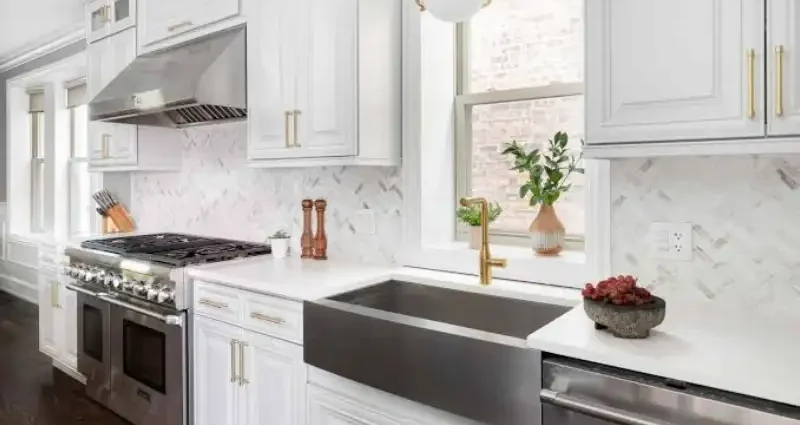
Changing cabinet hardware, improving lighting, replacing a worn worktop, or installing a better-organized storage system can also refresh the room.
If you are planning a major kitchen renovation, think about the workflow between the refrigerator, cooking area, sink, and storage. A beautiful kitchen that feels awkward to use every day is not a successful upgrade.
4. Make Your Bathroom More Practical
Bathrooms receive heavy daily use, so small improvements can make a noticeable difference.
Consider better ventilation, improved lighting, additional storage, or replacing worn fixtures. A modern showerhead, updated taps, or a more efficient toilet can improve both usability and appearance.
Before changing the layout, check whether the existing arrangement already works. Moving plumbing can add significant labor and installation costs.
One useful piece of home upgrading advice mintpalment is to solve functional problems before choosing decorative finishes. Fix moisture issues, leaks, ventilation problems, and damaged surfaces first. A fresh coat of paint will not solve an underlying damp problem.
5. Upgrade Lighting Throughout the Home
Updating the lighting is a simple way to transform the atmosphere of a room. Instead of relying on a single ceiling fixture, use several types of lighting where appropriate. Ambient lighting provides general illumination, while task lighting helps with activities such as cooking, reading, or working.
You can also use accent lighting to highlight artwork, shelving, architectural details, or other features.
When choosing new light sources, pay attention to brightness and color temperature as well as appearance. A warm light can create a relaxed atmosphere, while a cooler light may work better in areas where you need clear visibility.
Good lighting can make an ordinary room feel more comfortable without changing its structure.
6. Add Better Storage
Poor storage is a common reason homes feel crowded.
Look for unused spaces before buying large storage furniture. The area under stairs, the back of doors, awkward corners, and vertical wall space may offer useful opportunities.
Built-in storage can work especially well in bedrooms, hallways, kitchens, and home offices. However, it usually costs more than freestanding furniture, so compare the long-term benefit with the initial expense.
A practical upgrade should make it easier to put things away and find them later. Storage that looks attractive but is difficult to access will quickly become frustrating.
7. Give Walls and Floors a Fresh Look
You can transform a room without changing its layout.
Painting is often one of the simplest ways to create a noticeable visual change. Choose finishes based on how the room is used rather than selecting a color simply because it is currently popular.
Flooring deserves the same practical approach. Consider durability, maintenance, moisture exposure, and foot traffic. A delicate material may look excellent in a low-traffic bedroom but perform poorly in a busy entrance.
When upgrading finishes, think about the whole home. A consistent style usually feels more intentional than choosing every room independently.
8. Improve Your Home’s Outdoor Space
If you have a garden, balcony, patio, or terrace, treat it as part of your living space.
Simple improvements can make outdoor areas more useful. Consider comfortable seating, suitable lighting, privacy solutions, planting, or a well-maintained pathway.
For gardens, focus on how you want to use the space. A family may benefit from an open area for activities, while someone who enjoys entertaining might prioritize seating and outdoor dining.
You don’t need a complicated landscape design to create an attractive outdoor space. A clean, functional outdoor area can add considerably to the enjoyment of your home.
9. Consider Smart Home Improvements Carefully
Smart technology can make some household tasks easier, but not every device is worth buying.
Useful examples include programmable thermostats, smart lighting controls, video doorbells, leak sensors, and energy-monitoring equipment, depending on your home and needs.
Before installing connected devices, check compatibility with your existing systems and consider privacy and security settings. Keep software updated and use strong, unique passwords for connected accounts.
The best technology upgrade is one that solves a genuine problem. Buying several devices that you rarely use simply adds cost and complexity.
10. Protect Your Budget With Professional Help
Some home improvements are suitable for DIY work, while others require specialist knowledge.
Painting a bedroom may be manageable for many homeowners. Electrical work, structural changes, major plumbing alterations, roofing, and other specialized projects can require qualified professionals and may be subject to local regulations.
Get detailed quotes when hiring contractors and make sure you understand what each quote includes. Ask about materials, labor, timelines, permits where applicable, and potential additional costs.
Keep a contingency in your budget for unexpected problems, especially in older properties. Opening a wall or removing an old floor can sometimes reveal issues that were not visible during the initial planning stage.
This is where reliable home upgrading advice mintpalment can help: focus on realistic costs and the actual condition of your property rather than assuming every project will follow an ideal online renovation budget.
How to Decide Which Upgrade Comes First
If your budget is limited, prioritize projects according to their impact.
Start with anything that prevents damage or addresses safety concerns. Next, consider improvements that solve problems you experience regularly. After that, invest in upgrades that improve comfort, efficiency, or the appearance of your home.
For example, repairing a leaking roof should come before replacing kitchen cabinet doors. Fixing poor ventilation should come before adding expensive bathroom finishes.
Think about the cost per benefit, not just the purchase price. A moderately priced improvement that you use every day may provide more value than an expensive feature that looks impressive but rarely gets used.
Common Home Upgrading Mistakes to Avoid
Even well-intentioned upgrades can go wrong. Some common mistakes include:
- Starting work without a realistic budget.
- Choosing style over functionality.
- Ignoring maintenance requirements.
- Buying materials before confirming measurements.
- Attempting complex work without the necessary skills.
- Following trends that may quickly look dated.
- Failing to check local building requirements.
- Spending the entire budget without an emergency reserve.
Taking time to plan can prevent many expensive problems.
Final Thoughts
The best home improvements are not necessarily the biggest or most expensive. They are the ones that solve real problems and make the property work better for the people who live there.
Use this home upgrading advice mintpalment as a starting point, then adapt each idea to your home’s condition, your priorities, and your available budget. Improve energy efficiency where practical, make storage more useful, upgrade lighting, maintain important systems, and choose finishes that can handle everyday life.
Most importantly, avoid upgrading simply for the sake of upgrading. A thoughtful plan will usually deliver better results than a rushed renovation.
With the right priorities, even modest changes can make your home feel more comfortable, practical, and enjoyable for years to come. For more information, visit our site daily.